South African Rand Falls After SARB Holds Rates at 7%
The rand weakened after South Africa's central bank held rates, making live USD/ZAR quotes and total transfer costs important to compare.
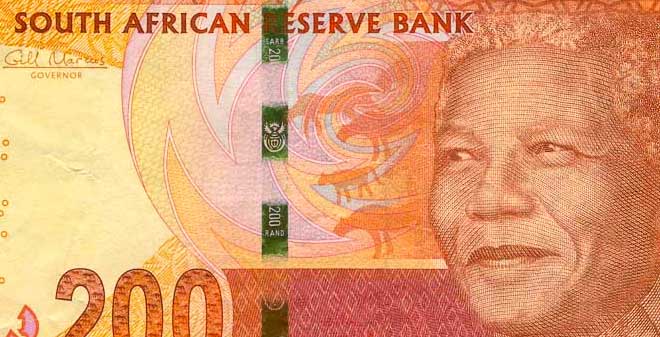
The South African rand weakened after the South African Reserve Bank kept its policy rate at 7% on 23 July 2026. The decision and the currency reaction change the immediate comparison context for people sending money between U.S. dollars and rand, but neither determines where USD/ZAR will move next.
Reuters reported that the rand traded at about 16.7125 per U.S. dollar at 14:18 GMT, around 1.9% weaker than its previous close and close to a two-month low. That was an interbank market observation, not the rate a bank or transfer provider would necessarily offer a customer.
SARB Holds After Its May Rate Increase
The Monetary Policy Committee voted by four members to two to leave the policy rate unchanged at 7%. The two dissenting members preferred another increase of 25 basis points.
SARB said the current setting was sufficiently restrictive after the rate increase at its previous meeting. Its model showed the policy rate broadly stable for the rest of 2026, followed by reductions later in the forecast as inflation moves towards the bank's 3% target.
That model path is guidance rather than a commitment. The central bank said future decisions would continue to be made meeting by meeting, based on new data and the balance of risks.
The hold came one day after Statistics South Africa reported that annual consumer inflation rose from 4.5% in May to 5% in June, its highest reading since June 2024. Transport made the largest contribution, with fuel prices 34.3% higher than a year earlier.
SARB expects headline inflation to remain above 4% until early 2027. It also sees upside risks from fuel costs, services inflation and rising inflation expectations, while forecasting weaker South African growth through the second and third quarters of 2026.
Why the Rand Fell After the Decision
Reuters described the decision as a surprise to financial markets that had priced in another rate increase. A higher-than-expected policy rate can sometimes support a currency by making local assets more attractive relative to overseas alternatives. When that expected increase does not happen, some of that support can be removed from market pricing.
The relationship is not automatic. The rand also responds to the broad U.S. dollar trend, global risk sentiment, commodity prices, South African growth expectations and international demand for emerging-market assets.
SARB noted before announcing its decision that the rand had been close to its level at the start of the year against the dollar and stronger against the euro. The subsequent fall therefore represents a new market reaction after the policy announcement, rather than proof of a lasting change in direction.
What the Move Means for USD/ZAR Transfers
USD/ZAR shows how many rand one U.S. dollar buys. A rise in the pair means an incoming U.S. dollar converts into more rand at the indicative market rate. The inverse ZAR/USD rate falls at the same time, so someone converting rand into dollars receives fewer dollars before provider costs.
For example, the reported 1.9% daily move changes the indicative conversion value of the same principal amount by roughly 1.9%. It does not guarantee that a customer receives that entire difference. Retail exchange-rate margins, fixed transfer fees, payment-method charges and possible recipient-bank deductions can all affect the final amount.
People sending dollars to South Africa can check the live USD to ZAR rate and compare it with quotes obtained at the same time. South African residents or businesses buying U.S. dollars can follow ZAR to USD instead.
The most useful comparison is the amount the recipient gets after all disclosed costs. A provider advertising a low fixed fee may use a wider exchange-rate margin, while another provider may charge a visible fee but offer a rate closer to the mid-market reference.
Businesses paying U.S. suppliers should also confirm the invoice currency and due date. A rand-denominated invoice and a dollar-denominated invoice create different exposures even when the two businesses are in the same countries.
What Travellers and Expats Should Check
South Africans travelling to the United States face the same weaker-rand effect when buying dollars, paying a dollar card transaction or withdrawing U.S. cash. Visitors to South Africa who begin with U.S. dollars may see more rand at the market rate, although cash, card and transfer channels can produce different customer rates and fees.
Cardholders should check whether a transaction is processed in rand or converted into their home currency by the merchant or ATM. Dynamic currency conversion shows the charge in the cardholder's home currency, but the offered conversion rate may differ from the card network or issuer rate.
For larger transfers, compare provider quotes on the same amount and payment method. Live market rates can change quickly after a central-bank announcement, so quotes captured at different times are not directly comparable.
What to Watch Next
- Whether the rand's initial fall persists or reverses as markets reassess the divided SARB vote.
- South Africa's July inflation release, scheduled for 19 August 2026.
- SARB's next policy announcement, scheduled for 23 September 2026.
- Changes in fuel prices, inflation expectations and the broad U.S. dollar trend.
Methodology and Sources
This story was researched on 24 July 2026. The rate decision and policy outlook were checked against SARB, inflation data against Statistics South Africa, and the immediate USD/ZAR reaction was attributed to Reuters. Exchange rates, policy expectations and provider costs can change after publication.
- South African Reserve Bank statement, July 2026
- Statistics South Africa: June 2026 consumer inflation
- Reuters report on the rand's reaction via MarketScreener
This article is general information, not personal financial advice.
Disclaimer: Please note any provider recommendations, currency forecasts or any opinions of our authors should not be taken as a reference to buy or sell any financial product.