Outlook
The rand is likely to stay sensitive to domestic policy shifts and global risk appetite. The January 30, 2026 cut by the South African Reserve Bank (SARB) to 6.75% supports a more accommodative policy stance (policy easing) and may help the currency when inflation remains contained. Inflation, while still low by historical standards, is forecast to drift to about 4.2% in 2026, leaving limited room for aggressive tightening but some cushion for real rates. Higher gold and precious metal prices have underpinned the rand by reinforcing commodity-linked demand, while concerns about global imbalances, including China’s large trade surplus and rising government debt in major economies, keep a lid on upside. Taken together, the rand is likely to tread a broad range in the near term, with potential for modest strength if domestic disinflation (gradual decline in inflation) continues and global risk appetite improves; but persistent external shocks could renew volatility.
Key drivers
- Domestic policy path: On 30 January 2026 the South African Reserve Bank (SARB) reduced the repurchase rate by 25 basis points to 6.75%, citing contained inflation and steady growth.
- Inflation trajectory: Inflation averaged about 3.2% in 2025, with forecasts for around 4.2% in 2026.
- Commodity price impulse: Higher gold and other precious metals prices have supported the rand through stronger commodity-linked demand.
- Global imbalance risk: The SARB has flagged global imbalances, including China’s record trade surplus and rising debt in major economies, which can weigh on risk sentiment.
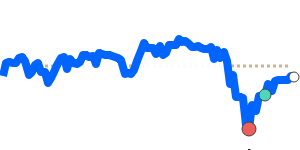
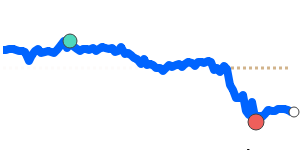
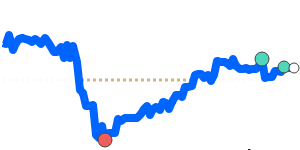
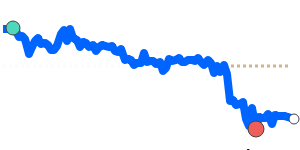
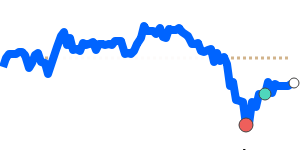
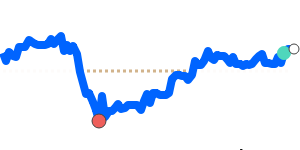
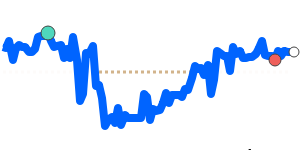
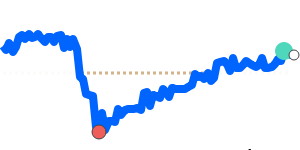
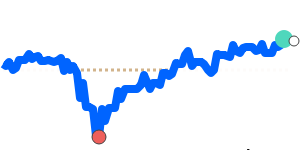
- Market data/technicals: Recent price data show ZAR pairs trading within sizeable ranges, with ZAR/USD around 0.0618 (7-day low) and 3-month average about 0.0597 (3.5% above), within an 11.4% volatility range of 0.0570–0.0635; ZAR/EUR near 0.0521 (7-day low), 1.9% above its 3-month average of 0.0511, within 6.9% range of 0.0497–0.0531; ZAR/GBP around 0.0451 (14-day low), 1.0% above its 3-month average of 0.0447, within 5.1% range of 0.0438–0.0460; ZAR/JPY around 9.5797, 2.8% above its 3-month average of 9.319, within a 12.0% range of 8.7612–9.8168.
Range
ZAR/USD around 0.061802 (7-day low), 3.5% above its 3-month average of 0.059738, having traded in an 11.4% range from 0.057028 to 0.063546. ZAR/EUR around 0.052110 (7-day low), 1.9% above its 3-month average of 0.051139, within a 6.9% range from 0.049676 to 0.053110. ZAR/GBP around 0.045135 (14-day low), 1.0% above its 3-month average of 0.044674, within a 5.1% range from 0.043805 to 0.046031. ZAR/JPY around 9.5797, 2.8% above its 3-month average of 9.319, within a 12.0% range from 8.7612 to 9.8168.
What could change it
- Domestic inflation or growth surprises that alter the expected SARB policy path (either higher or more easing than anticipated).
- Shifts in global risk sentiment or USD direction, especially if US inflation or growth data surprise or if China data alters risk appetite.
- Sustained moves in commodity prices, particularly gold, altering the commodity-linked support for the rand.
- Changes in fiscal dynamics or SA sovereign risk perceptions that adjust the rand’s risk premium.