Recent News >
By Currency: (AUD) USD(36) EUR(24) AUD(23) JPY(18) CAD(15) GBP(15) CHF(12) INR(9) CNY(9) OIL(8) NZD(7) SGD(6) MXN(6) THB(4) IDR(3) VND(3) RUB(3) TRY(2) KRW(2) SEK(2) TWD(2) PHP(2) NGN(2) HKD(2) PLN(1) NPR(1) ZAR(1) LAK(1) MMK(1) SYP(1) PKR(1) RON(1) ARS(1) KES(1) GHS(1) UGX(1) MYR(1) NOK(1) FJD(1)
By Topic: About Us(8) Foreign Transfers(6) Fx Specialists(6) Wise(6) Revolut(5) Travel Money(3) Expat(3) Ofx(3) Fx Analysis(2) Fx Risk(1) Large Amounts(1) Business(1) Foreign Currency Accounts(1) Africa(1) Travel Cards(1) Provider Comparison(1) Crypto(1) Study Abroad(1)
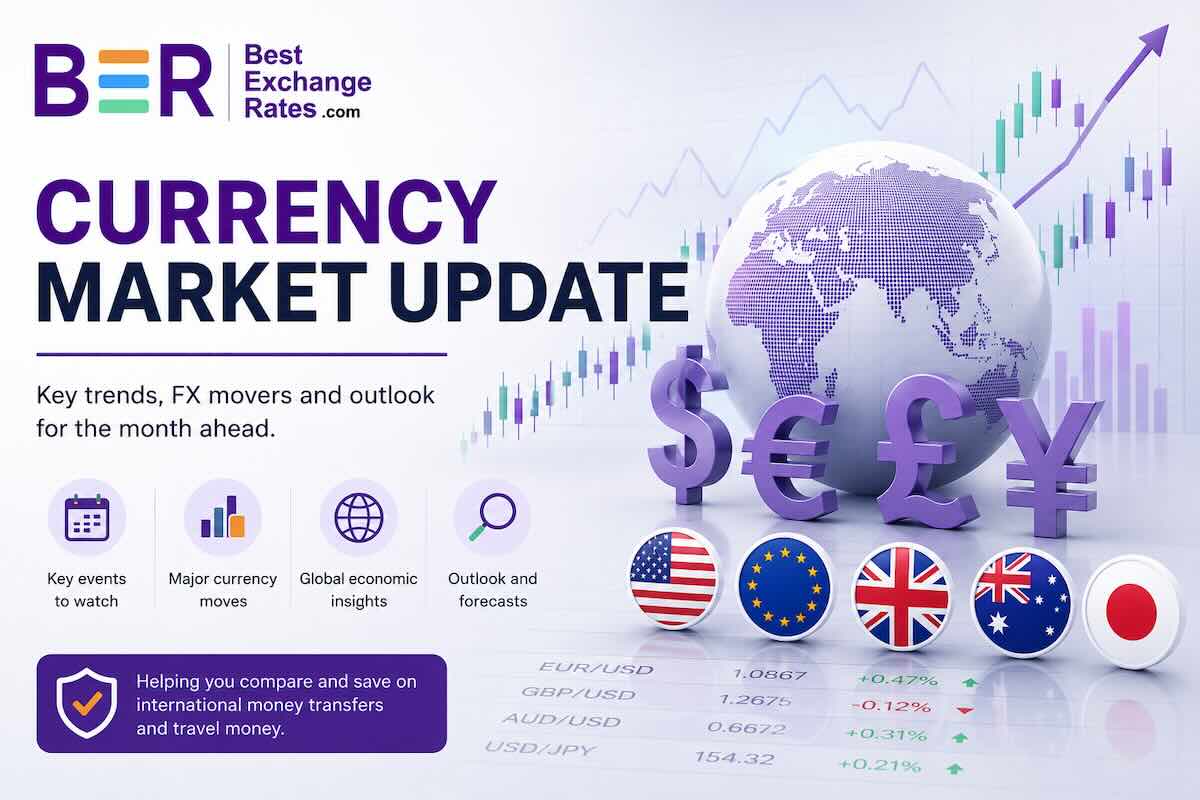
US Dollar Strengthens as Rate Expectations Drive FX
The US dollar has strengthened into late June as higher-for-longer rate expectations return to the centre of FX markets. The yen remains under pressure, AUD and NZD are softer, while EUR and GBP are steadier but capped by weaker growth signals.
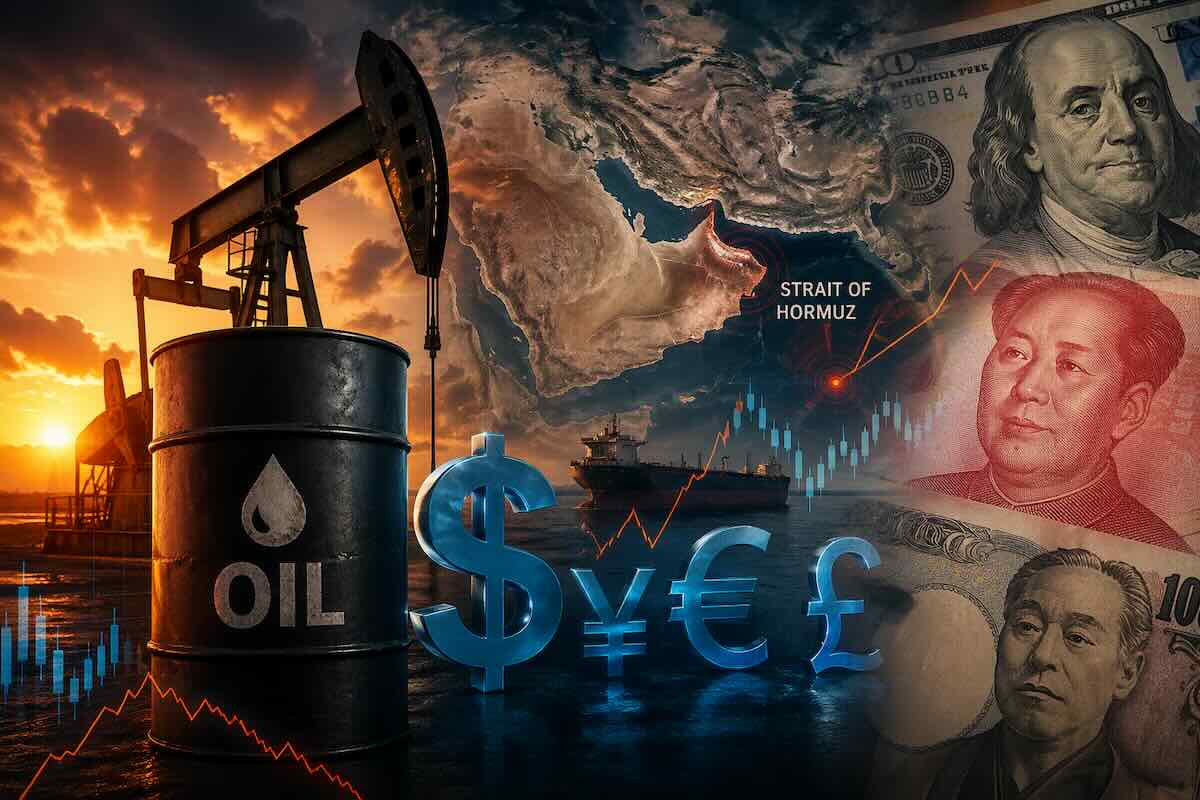
Oil Shock: Why Safe-Haven Currencies Are Back in Focus
Higher oil prices and Middle East uncertainty have pushed investors back toward safe-haven currencies, especially the US dollar, while adding pressure to oil-importing and risk-sensitive currencies as the Australian dollar.
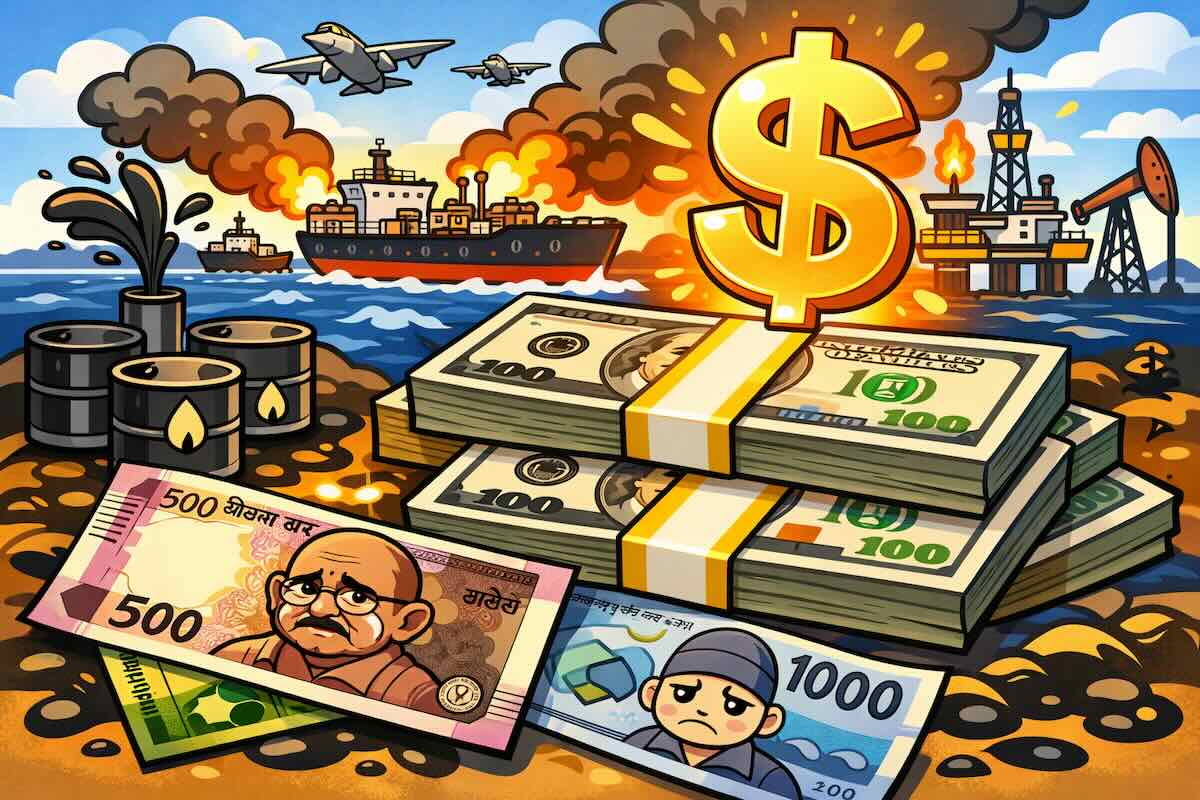
Iran conflict lifts U.S. dollar as rupee and won come under pressure
The U.S. dollar has strengthened as investors move into safer assets, while higher oil prices and rising economic risks weigh on Asian currencies such as the Indian rupee and South Korean won.

Japan Travel Boom: Weak Yen Makes Winter Trips Exceptional Value
With the yen down sharply against major currencies, winter in Japan offers rare value on hotels, food, transport, and skiing. A rare currency tailwind for travellers.
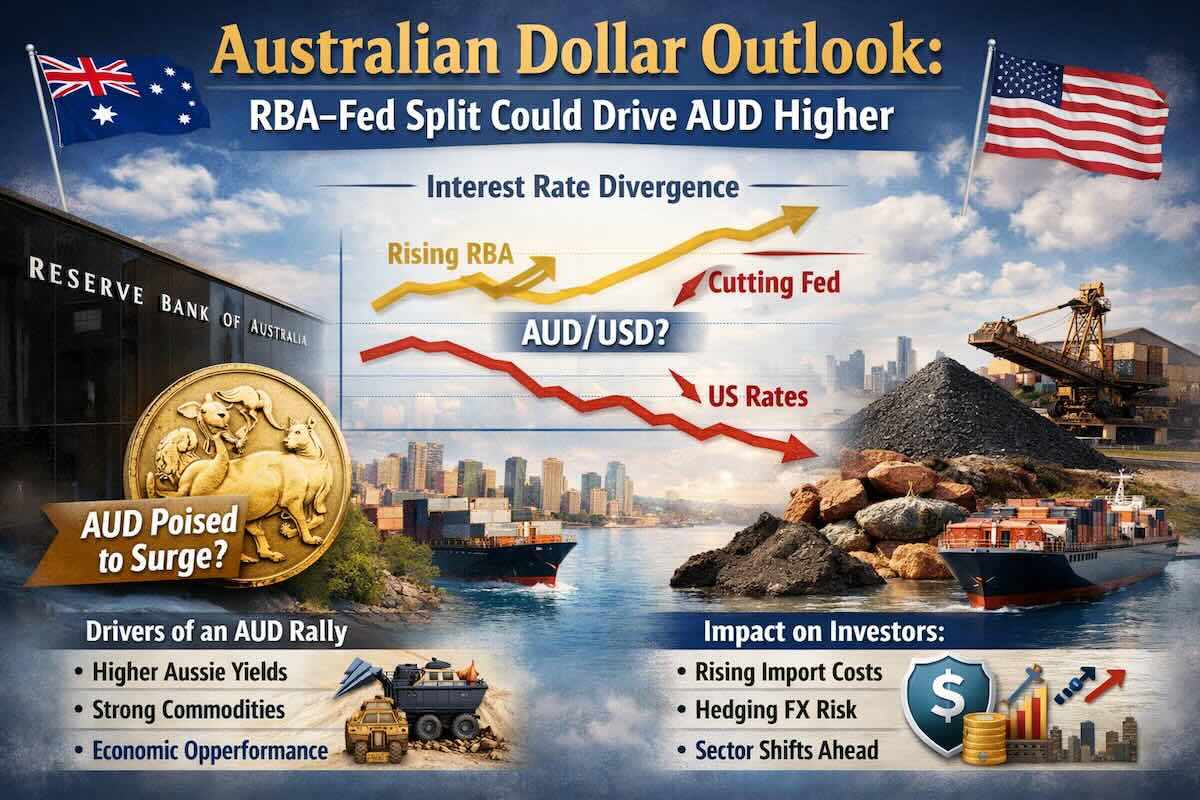
Australian Dollar Outlook: RBA–Fed Split Could Drive AUD Higher
Markets are rapidly repricing Australian interest rates higher while the US moves toward cuts — a mix that has historically been powerful for the Aussie dollar.
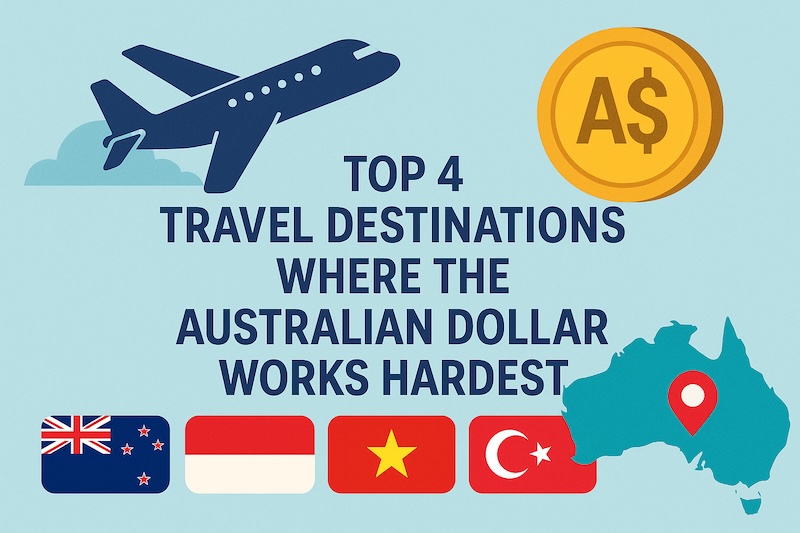
Top 4 travel destinations where the Australian dollar works hardest
Maximise your Aussie dollar abroad. Discover four travel destinations—New Zealand, Indonesia, Vietnam, and Türkiye—where the AUD currently stretches furthest, helping you save on every experience.

Volatile May for Foreign Exchange Rates: EUR, GBP, JPY, AUD, NZD, RON
In May 2025, currency markets experienced notable fluctuations influenced by geopolitical developments, economic policies, and trade relations. The pound (GBP) and euro (EUR) were strong while U.S. dollar (USD) exhibited a weakening trend, while several other currencies demonstrated strength.
Aussie Dollar's 2025 Performance and Impact of Labor Party's Landslide Victory
The Australian dollar has experienced notable fluctuations in 2025, influenced by global trade tensions and domestic political developments, including the Labor Party's decisive election win. However, trade tariffs imposed by the United States, have introduced volatility, prompting market analysts to adjust their forecasts for the currency's trajectory.
Yuan's Volatility Surges Amid U.S. Tariff Escalation
The Chinese yuan has weakened following the United States' decision to impose a 125% tariff on Chinese imports, prompting the People's Bank of China to intervene to stabilize the currency.
Currency Markets in Flux: Euro's Ascent Amidst Global Economic Shifts
The global currency landscape is experiencing notable shifts as the euro strengthens against major currencies, influenced by economic policies, geopolitical events, and fluctuating oil prices.

How the Weak US Dollar Can Impact International Business in 2025
Markets have shifted focus to the interest rate policies of other major central banks rather than the Federal Reserve.
Will the US dollar remain strong?
The dollar has risen by nearly 20% against most currencies compared to this time last year.
Great News for Travelers to Europe this Summer
Stronger AUD, USD, and GBP Against the Euro due to surprise French elections.
US Dollar Hits 14-Month Low on Cooling US Inflation
USD sinks as global currency markets react to slowing US inflation, prompting a surge in other major currencies and a potential end to the Federal Reserve's tightening cycle.
Fears of US Recession Shifts Currencies & Commodities
As we approach mid-year a shift has taken place in currency markets with the narrative less about interest rates hikes and more risk-off worries about a possible coming recession.
Thailand Relaxes Covid Rules for Tourists
Global travel starts to revive so Thailand moves to revive its Economy after the pandemic.
New Zealand Opening After Two Years - Aussies Welcomed First
'Fortress New Zealand' opening after two long pandemic years - Aussies welcomed back first on April 12th and other nationalities on 1st of May.

Russian sanctions mount - US dollar gains
Any curbs to Russian access to its foreign reserves could present a bigger blow to the Russian economy than the impact of a ban on Swift.

Disruptors Challenging Australian Banks in Forex Price and Service: ACCC Report
Key Takeaways from the ACCC inquiry into currency conversion services. BestExchangeRates referenced among comparison sites playing an important role in customer awareness of the excessive currency margins charged by banks.

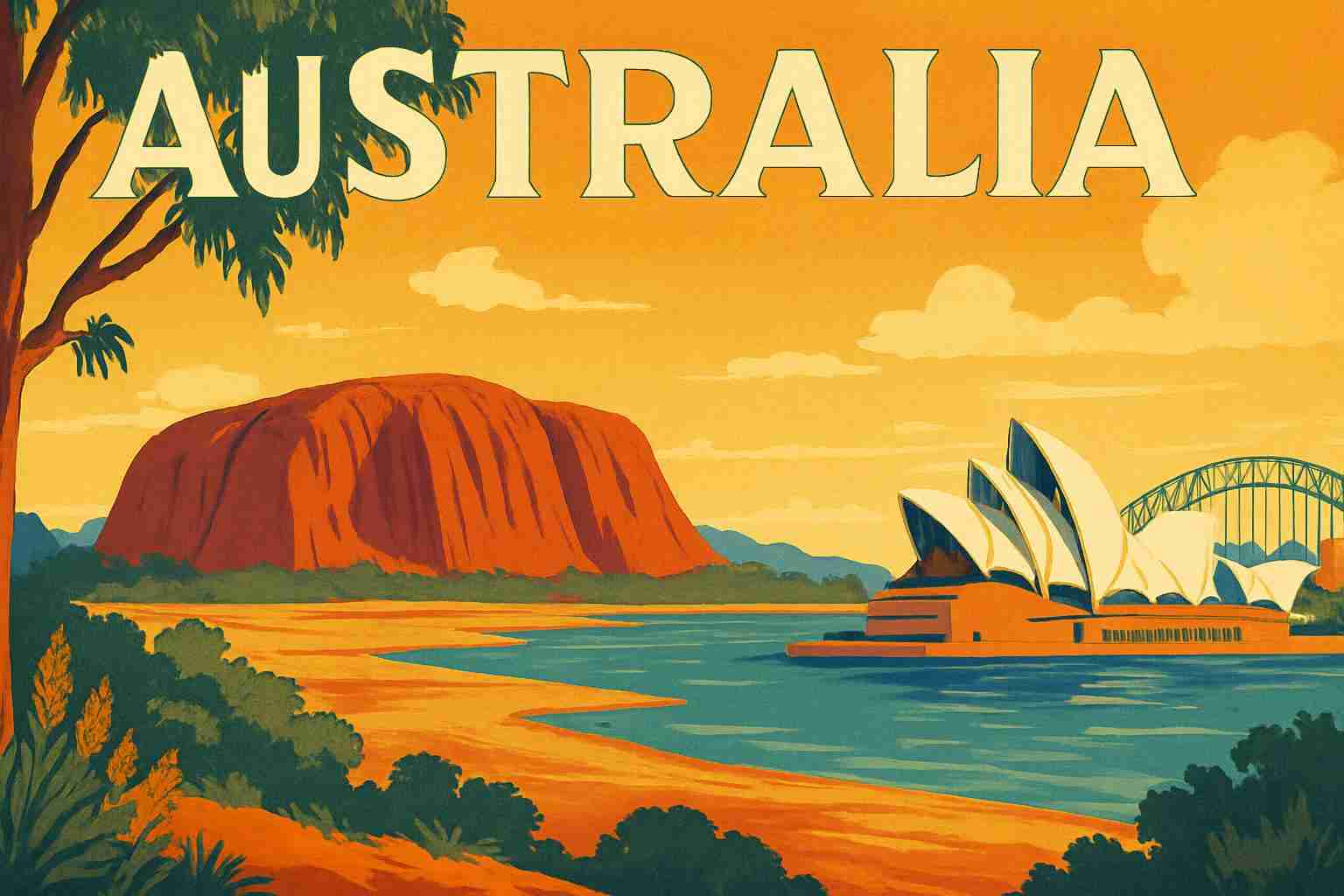
Australia Country Guide (AU)
Australia is a vast and diverse country, offering breathtaking landscapes, unique wildlife, vibrant cities, and rich cultural experiences. To make the most of your trip, here’s a practical guide covering essential information for travelers.

Christmas Island Country Guide (CX)
Christmas Island is an Australian territory located in the Indian Ocean, about 2,600 kilometers northwest of mainland Australia. The island is about 135 square kilometers in size and has a population of around 2,000 people. The island is known for it...

Cocos Keeling Islands Country Guide (CC)
The Cocos Keeling Islands are a small archipelago located in the Indian Ocean. They are known for their pristine beaches, crystal clear waters, and rich marine life. Some popular activities on the islands include:
Swimming ...

Heard and McDonald Islands Country Guide (HM)
Heard Island and McDonald Islands are Australian external territories in the southern Indian Ocean. The islands are uninhabited except for a meteorological station on Heard Island and a staff of four on McDonald Islands. The land area is 372 squar...

Kiribati Country Guide (KI)
Transportation: the only transportation are minivans. They don't have timetables. They are run by private people who decide randomly the start and the end of the trip. Often they are full and for this reason they won't stop to pick you up. ...

Nauru Country Guide (NR)
Nauru is an island country in the eastern South Pacific Ocean. The island is just 21 kilometers square, making it one of the smallest countries in the world. Nauru is surrounded by a coral reef, and there are several phosphate mines on the island. Th...

Norfolk Island Country Guide (NF)
Norfolk Island is a small island located in the South Pacific Ocean. It is part of the Commonwealth of Australia, and is one of two Australian external territories. The island is best known for its sandy beaches, coral reefs, and lush vegetation. Nor...

Tuvalu Country Guide (TV)
Tuvalu is one of the world’s most remote and off-the-beaten-path destinations. This tiny island nation in the Pacific Ocean lies just south of the Equator, west of the International Date Line, and two hours by air north of Fiji. A member of the Com...